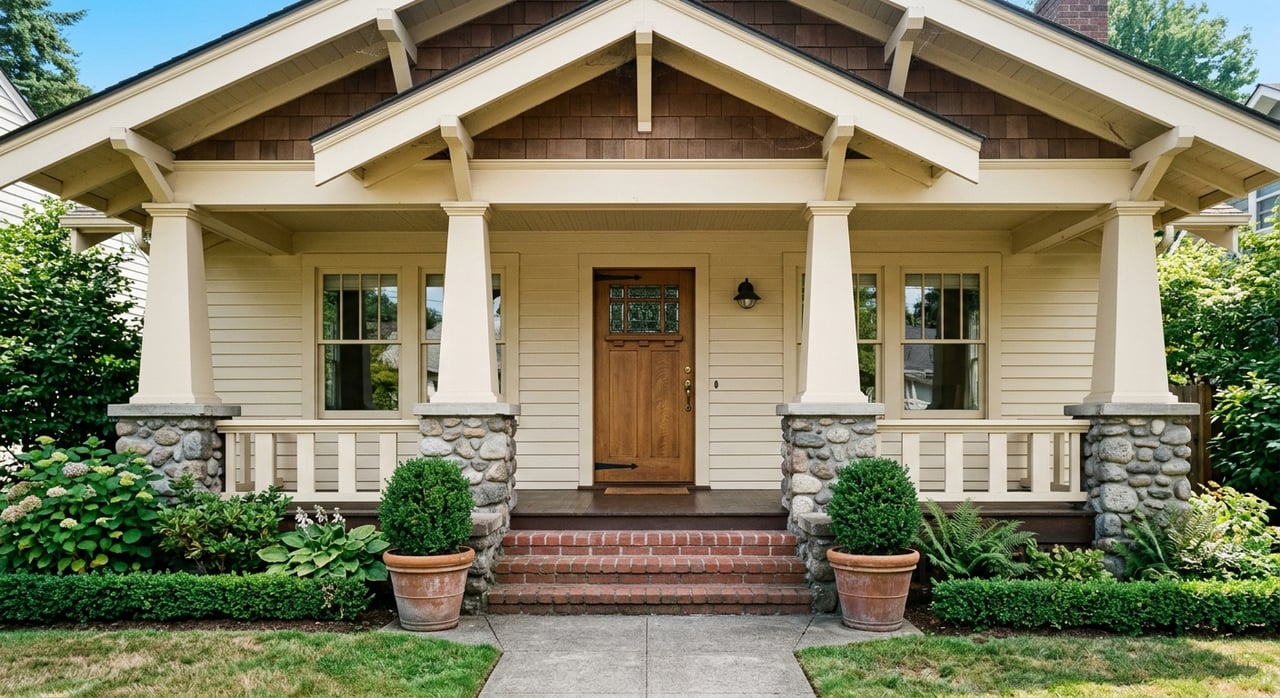
Wondering whether that charming Pasadena Craftsman is a dream home, a restoration project, or both? If you are drawn to original woodwork, deep front porches, and early California architecture, you are not alone. Buying a historic or Craftsman home in Pasadena can be incredibly rewarding, but it also comes with rules, inspections, and planning steps that look different from a typical resale purchase. This guide will help you understand what to look for, what to verify, and how to plan wisely before you buy. Let’s dive in.
Why Pasadena Stands Out
Pasadena’s identity is closely tied to its late-19th- and early-20th-century growth. After the city incorporated in 1886 and expanded following railroad service from Los Angeles in 1888, Pasadena became known for notable residential architecture, including the Craftsman style associated with Greene & Greene.
For buyers today, that history still shapes the housing market. Pasadena’s historic context materials place Craftsman and California Bungalow homes largely in the 1905 to 1930 period, which means many of these properties blend architectural value with age-related maintenance and preservation considerations.
What Defines a Pasadena Craftsman
Not every older house in Pasadena is a true Craftsman, and not every bungalow is the same. The city’s design guidance gives you a strong starting point for recognizing common architectural features.
Key exterior features to notice
Pasadena describes California Bungalows as one- or one-and-one-half-story homes with low- to moderate-pitched gabled roofs. You may also see extended eaves, exposed rafters or beams, asymmetrical massing, and projecting porches.
Other common character-defining features include wood siding, grouped wood windows, and chimneys or porch piers made of stone, clinker brick, or rough plaster. These original details often add to a home’s appeal, but they can also affect future repair choices and permit review.
Why Bungalow Heaven matters
If you want a local point of reference, Bungalow Heaven helps illustrate the pattern many buyers love. The city describes the district as being dominated by modest one- and one-and-one-half-story bungalows with rear garages, low-scale open porches, consistent setbacks, detached sidewalks, and street trees.
That does not mean every Pasadena Craftsman sits in a protected district, but it does show how neighborhood context can shape the look and feel of the property you are considering.
Check Historic Status Early
One of the biggest mistakes buyers make is assuming all older homes are regulated the same way. In Pasadena, a home’s historic status can affect what you can change, how long permits may take, and whether certain tax incentives may apply.
Types of historic designation
Pasadena distinguishes among:
- Individual landmarks
- Landmark districts
- National Register properties
- Other historic resources identified through survey or evaluation
This distinction matters. A property that appears in a historic resources survey is not the same as a designated historic resource, and survey inclusion alone does not create new regulations.
Why designation changes the process
Pasadena’s historic preservation staff or Historic Preservation Commission reviews exterior alterations, additions, relocations, and demolitions for designated landmarks, landmark-district properties, National Register properties, and works by Greene & Greene.
So before you focus on paint colors, kitchen plans, or expansion ideas, confirm whether the house is only survey-listed, individually designated, or located inside a landmark district. That single step can save you time and surprises later.
Know What Needs Approval
If you are buying in a landmark district or purchasing another designated historic property, visible exterior work may need city approval before a building permit is issued.
Projects that often require review
In a landmark district, Pasadena requires a Certificate of Appropriateness for:
- Demolitions
- Exterior alterations visible from the street
- New construction
The city says common review items include:
- Windows
- Front porches
- Additions
- Fences
- New garages
Minor projects are reviewed by city staff, while major projects go to the Historic Preservation Commission.
What is usually exempt
Not every update triggers historic review. Pasadena says the following are generally exempt from historic-preservation review:
- Interior alterations
- Paint colors
- Landscaping
- Solar panels
- Routine maintenance
- Mechanical upgrades not visible from the street
The city also makes clear that owners are not required to restore a house to its original appearance simply because it is in a landmark district.
Plan for Timing if You Want to Renovate
Historic-home buyers often fall in love with character, then underestimate the planning needed for visible exterior changes. In Pasadena, review timing should be part of your buying strategy from day one.
What the review process may add
Pasadena says Certificate of Appropriateness applications are submitted with drawings, photos, product literature, and or material samples. The review itself is free, but the city says it typically adds about two months to the building-permit timeline.
If you already know you want to alter windows, rework a porch, build an addition, or add a garage, that timeline matters. Early consultation with Design & Historic Preservation staff can help you understand what is realistic before you commit to a post-closing project plan.
Why preservation standards matter
Pasadena’s preservation program uses the Secretary of the Interior’s Standards and the city’s historic-district design guidelines. In practical terms, those standards favor retaining historic materials, repairing deteriorated features rather than replacing them when feasible, and designing additions that are compatible in massing, scale, and materials.
That means renovation decisions are not just about personal taste. The more original character a home retains, the more important it is to approach updates with a preservation-aware mindset.
Focus Your Inspection on Older-Home Risks
A beautiful front porch and original windows can tell a great story, but they should also prompt a more careful inspection strategy. Older Pasadena homes often need evaluation that goes beyond the basics.
Lead-based paint concerns
For homes built before 1978, lead-safe practices may be needed when paint is disturbed. EPA data also shows that 87% of homes built before 1940 contain some lead-based paint.
Because many Pasadena Craftsman and historic homes date from 1905 to 1930, this is not a niche concern. If you plan to sand, scrape, repair trim, or remodel painted surfaces, ask early questions about how that work would be handled.
Asbestos in older materials
You cannot tell whether a material contains asbestos just by looking at it. If suspect material such as old floor tile, ceiling tile, or pipe wrap is damaged or may be disturbed during a remodel, it should be sampled by a properly trained and accredited asbestos professional.
This matters most when you are buying a home that needs updates rather than simple cosmetic improvements. A low-price renovation plan can shift quickly if hidden materials require specialized handling.
Windows, wood details, and moisture
Historic windows deserve close attention. National Park Service guidance notes that historic windows should be repaired first when possible, and if replacement is unavoidable, the new feature should match the old.
It also notes that paint protects wood from moisture and insects. So if you see peeling paint, flaking wood, or deterioration around original windows and trim, that may point to water intrusion rather than just deferred cosmetic upkeep.
Earthquake retrofit questions
Older houses should also be evaluated for seismic retrofit needs. California earthquake guidance notes that older homes built before 2000 should be considered for retrofit, and strengthening steps can include bolting the house to its foundation and bracing crawl-space walls.
Cal OES also says homes that are not attached to their foundations are at particular risk. For Pasadena buyers, that makes foundation attachment and crawl-space conditions important talking points during inspections.
Do Not Miss Pasadena’s Presale Requirement
There is also a city requirement that many buyers and sellers need to account for in the timeline. Before closing escrow on a Pasadena single-family house, condominium, townhouse, or duplex, the owner must obtain either a Presale Certificate of Completion or a Presale Certificate of Inspection.
The purpose is to address major life-and-safety code violations. Even when a home is being sold primarily for its charm or architectural pedigree, this presale step is part of the transaction process and should be verified early.
Understand the Mills Act Tradeoff
Some Pasadena historic properties may qualify for the Mills Act, which can offer meaningful property-tax relief. But buyers should treat that benefit as part of a long-term ownership plan, not a simple bonus.
Potential tax savings
Pasadena says eligible properties include official landmarks, historic monuments, Greene & Greene buildings, National Register properties, and contributing properties in landmark or National Register districts. The city reports that past participants have saved between 20% and 75% on property taxes, with average savings around 50%.
Why buyers should look beyond savings
Mills Act contracts run with the property. That means the obligations continue with ownership, so you should evaluate the maintenance and preservation commitments just as carefully as the possible tax benefit.
For the right buyer, the program can be attractive. Still, it works best when you value both the financial incentive and the long-term stewardship of a historic home.
A Smart Buying Approach in Pasadena
Buying a Pasadena Craftsman or historic home is rarely just about square footage or finishes. It is about architecture, condition, regulatory status, and your comfort with preserving what makes the property special.
A practical approach usually includes these steps:
- Confirm the home’s exact historic status with the city.
- Review visible exterior features that may affect future repairs.
- Build inspections around older-home concerns like paint, moisture, windows, and seismic resilience.
- Ask early about permit timing if you want exterior changes.
- Factor in Pasadena’s presale requirement before closing.
- Evaluate any Mills Act contract as a long-term obligation.
When you do that upfront work, you can buy with more clarity and fewer surprises. In a market like Pasadena, that preparation helps you protect both your investment and the character that drew you in to begin with.
If you are considering a Craftsman or historic home in Pasadena, the right guidance can make the process far more strategic. For tailored buyer representation and local insight, connect with Andy Hairabedian.
FAQs
What makes a Pasadena home a Craftsman or California Bungalow?
- Pasadena design guidance describes California Bungalows as one- or one-and-one-half-story homes with low- to moderate-pitched gabled roofs, extended eaves, exposed rafters or beams, asymmetrical massing, and projecting porches, often with wood siding, grouped wood windows, and prominent chimneys or porch piers.
What historic status should you verify before buying a Pasadena home?
- You should confirm whether the property is survey-listed only, individually designated, inside a landmark district, or otherwise formally recognized, because those categories can affect review requirements and renovation flexibility.
What exterior changes usually need approval for a Pasadena landmark-district home?
- Pasadena says demolitions, exterior alterations visible from the street, and new construction in a landmark district typically require a Certificate of Appropriateness before a building permit is issued.
What updates are usually exempt from Pasadena historic-preservation review?
- The city says interior alterations, paint colors, landscaping, solar panels, routine maintenance, and mechanical upgrades not visible from the street are generally exempt.
What inspection concerns are common in older Pasadena Craftsman homes?
- Buyers should pay close attention to possible lead-based paint, asbestos in older materials, moisture issues around original wood windows and trim, and whether the home may need seismic retrofitting.
What is Pasadena’s presale requirement for a home sale?
- Before closing escrow on a Pasadena single-family house, condominium, townhouse, or duplex, the owner must obtain a Presale Certificate of Completion or a Presale Certificate of Inspection to address major life-and-safety code violations.
Can a Pasadena historic home qualify for Mills Act tax savings?
- Some designated historic properties may qualify, and Pasadena reports past participants have saved between 20% and 75% on property taxes, with average savings around 50%, but the contract runs with the property and should be reviewed as a long-term commitment.