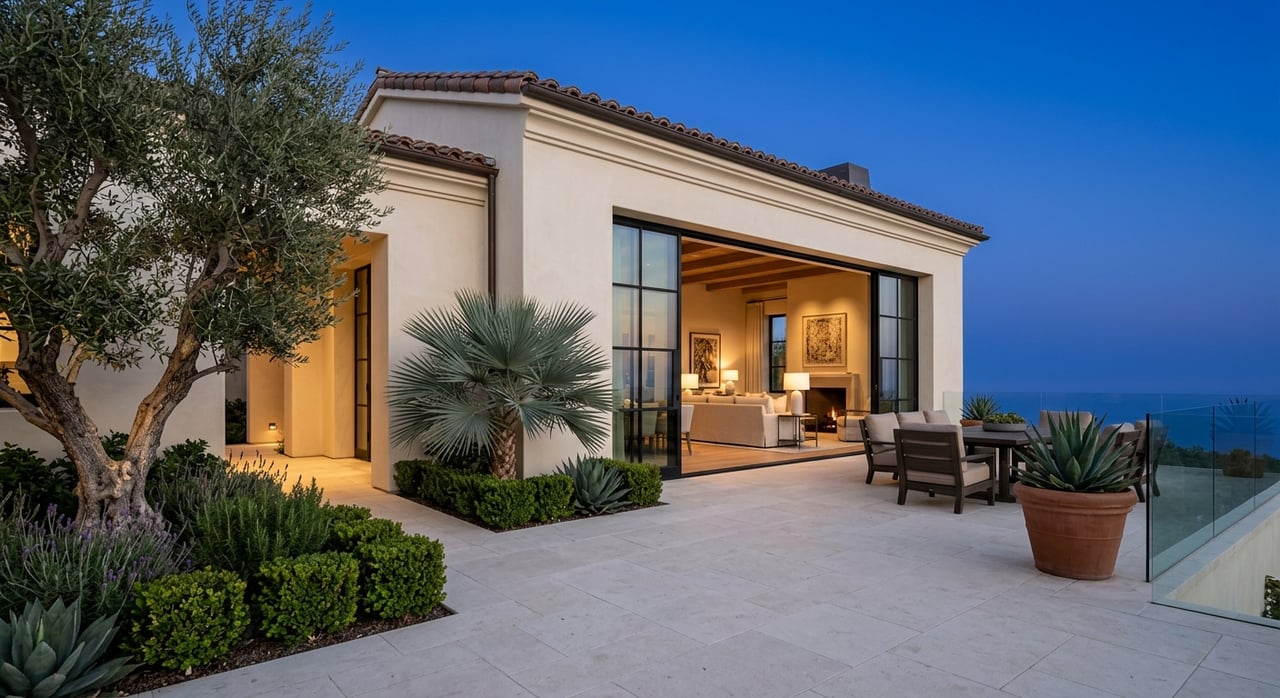
If you are selling a view home in La Cañada Flintridge, you are not just selling square footage. You are selling light, orientation, privacy, elevation, and that moment when a buyer walks in and looks straight out to the horizon. In a high-value, competitive market, that means every detail matters, from how the view is protected and photographed to how you handle wildfire disclosures and access questions. This guide will show you how to position your home so the view feels like the headline feature and the sale process feels more confident from day one. Let’s dive in.
Why view homes need a different strategy
A view home in La Cañada Flintridge asks more of your listing strategy than a typical resale. Buyers are not only comparing floor plans and finishes. They are also judging how the home sits on the lot, how the outlook reads from key rooms, and whether the property feels easy to access, maintain, and insure.
That local context matters. La Cañada Flintridge’s hillside regulations are designed to protect major hillside viewscapes and avoid unreasonable impairment of neighboring views, excessive bulk, and avoidable safety risks tied to fire, flood, mudslide, subsidence, and seismic conditions. When you sell a hillside or view property here, buyers often look at the home through that lens too.
The market also supports a more disciplined approach. Recent snapshots show La Cañada Flintridge remains a high-priced, competitive market, with strong sale-to-list performance and relatively fast movement compared with many luxury markets. In a setting like that, presentation and pricing are not optional. They are part of the outcome.
Make the view the focal point
The fastest way to weaken a view-home listing is to let other visual noise compete with the outlook. If buyers remember the clutter on a console table more than the canyon, skyline, or treetop view, the home has lost part of its edge.
Staging should create a clean, neutral backdrop that helps buyers picture themselves in the space. Industry research has found that staging makes it easier for buyers to visualize a home as their own, and many agents report stronger offered value when a home is staged well. For a La Cañada Flintridge view property, the goal is simple: frame the view, support the architecture, and remove distractions.
Prep rooms around sightlines
Walk through your home and stop at every major doorway, window wall, living area, and primary bedroom. Ask yourself what the eye lands on first. If the answer is furniture bulk, busy decor, or poorly placed accessories, those items may need to go.
A strong setup often includes:
- Fewer decorative objects on counters and shelves
- Lower-profile furniture near major windows
- Clean window glass inside and out
- Open window treatments where privacy allows
- Light, neutral styling that reflects natural light
This is especially important in rooms that should sell the view, such as the living room, family room, dining area, primary suite, and outdoor entertaining spaces.
Clean up the foreground
A great view can photograph poorly if the foreground feels messy. Large planters, overgrown landscaping, mismatched patio furniture, or parked cars can interrupt what should feel open and intentional.
Before launch, pay attention to what sits between the camera and the horizon. Trim landscaping, simplify outdoor furniture layouts, and make sure decks, balconies, and terraces feel ready to use. Buyers should be able to imagine morning coffee, sunset dinners, or weekend gatherings without visual clutter getting in the way.
Use media that matches the property
For a multimillion-dollar view home, a basic photo package is rarely enough. Buyers now place major weight on listing photos, and media such as video and virtual tours also play a meaningful role in how they evaluate a property before they ever schedule a showing.
That is why a media-first launch matters. If the view is one of the home’s biggest value drivers, your marketing should capture it clearly, honestly, and from the right angles and times of day.
Prioritize photography, video, and aerials
Professional photography should show how the view connects to daily living. That means more than just one wide shot from the balcony. The strongest campaigns show the outlook from interior gathering spaces, the relationship between the home and the lot, and the way light moves through the property.
For many La Cañada Flintridge homes, the most effective media mix includes:
- Daytime interior and exterior photography
- Twilight exterior images
- Video walkthrough footage
- Drone or aerial footage where appropriate
- A virtual tour experience for remote buyers
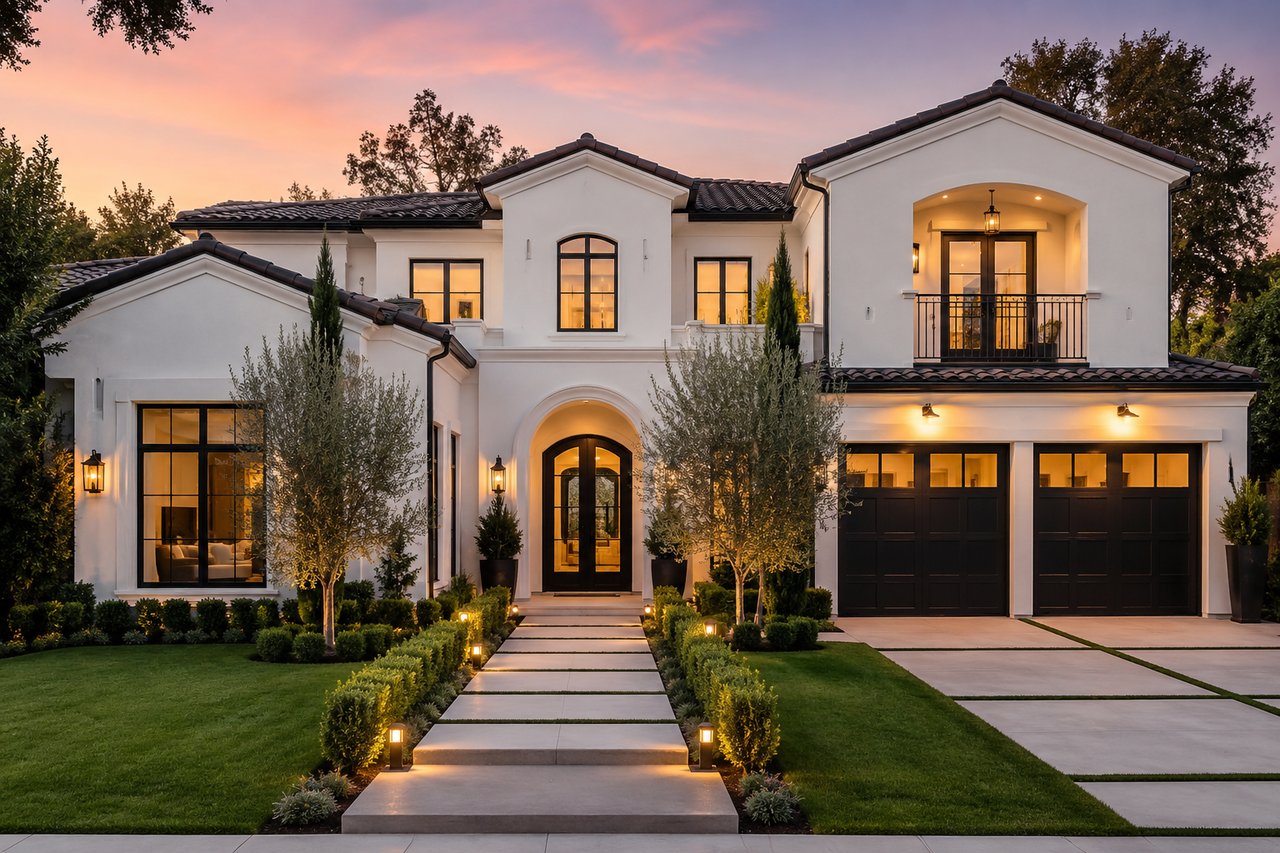
Twilight and golden-hour images can be especially effective for decks, pools, terraces, and landscaped exteriors. They can help outdoor spaces feel warm, usable, and memorable.
Keep visuals accurate
Strong marketing should still be truthful marketing. If any virtual staging or image enhancement materially alters the property, that change should be disclosed so buyers understand what is real and what is digitally added.
That matters even more with a view property. Buyers are often making emotional decisions based on what they see online. Honest representation builds trust and helps avoid disappointment when they arrive in person.
Handle drone media the right way
Aerial media can be a major advantage for hillside homes because it shows topography, orientation, privacy, and the broader setting. It can also help buyers understand how the house captures its view.
But drone footage is not just a creative choice. Commercial drone use must follow FAA rules, including requirements tied to certificated operation, equipment compliance, and conditions for twilight flights. In practice, that means your listing team should treat drone media as both a marketing asset and a compliance task.
Answer buyer concerns before they become obstacles
With a La Cañada Flintridge hillside home, serious buyers often ask practical questions early. They want to know about wildfire risk, insurance options, access, parking, drainage, and the condition of systems that matter for hillside living.
If you address those items before launch, you reduce friction and make your listing feel better prepared.
Prepare wildfire disclosures carefully
The entire city is within a Very High Fire Hazard Severity Zone. That fact alone shapes how buyers evaluate risk, maintenance, and insurability.
California also requires sellers to disclose whether a property is located in a very high fire hazard severity zone, earthquake fault zone, seismic hazard zone, or wildland fire area. For certain homes in high or very high fire hazard severity zones that were built before 2010, state law now requires a fire-hardening disclosure that identifies vulnerable features such as:
- Certain vent openings
- Wood shake roofs
- Combustible landscaping near the home
- Single-pane windows
- Missing flashing
- Nonmetal gutter covers
California also requires an electrical-systems notice because faulty wiring can raise fire risk and complicate insurance.
Expect insurance questions
Insurance is often part of the conversation well before escrow is far along. Some buyers may ask whether the property has current coverage, whether quotes have been difficult to obtain, or whether the FAIR Plan may be part of their solution.
The California Department of Insurance describes the FAIR Plan as a basic fire-and-smoke safety net, not a replacement for a standard homeowners policy. Buyers may also need a separate difference in conditions policy for items such as liability or theft. The same state guidance notes that standard homeowners policies typically exclude flood, mudslide, debris flow, and similar losses unless tied to a covered wildfire event.
You do not need to solve every buyer’s insurance plan for them. But having organized property information and a transparent approach can help buyers move forward with fewer surprises.
Clarify access and parking
On hillside properties, ease of access matters. Buyers notice driveway approach, turning radius, guest parking, and how simple the home feels to visit during a showing or a weekend gathering.
The city’s hillside rules focus in part on maintaining adequate access and parking, and hillside development generally requires four off-street parking spaces unless a waiver is approved. Even if your home is not new development, parking and access should be addressed clearly in listing materials and showing instructions when relevant.
The city’s red-flag program also notes that parking restrictions may be used during red-flag conditions to preserve evacuation and emergency access. That makes access more than a convenience issue. It is part of how buyers assess the property’s day-to-day function.
Consider pre-sale due diligence
A pre-sale inspection is not required in California, but it can help you uncover issues before buyers do. That can be especially useful with a view home, where buyers may already expect more scrutiny because of the lot, elevation, and exposure to weather.
For many hillside sellers, the most useful pre-list review areas include:
- Roof condition
- Drainage performance
- Retaining walls
- Windows and glazing
- Electrical systems
- Wildfire-hardening features
You may decide to repair some items, disclose others, or simply gather documentation so your listing feels well managed. The right path depends on the property, but the underlying goal is the same: remove avoidable uncertainty.
Time your launch with enough runway
Many sellers want to list as soon as possible, but a view home often benefits from a more deliberate rollout. Between staging, exterior prep, photography, video, disclosures, inspections, and insurance-related questions, the best launch is usually not the fastest one.
National timing data points to late March through mid-May as a strong selling window, and Realtor.com identified the week of April 12 through 18, 2026 as a particularly favorable week nationally. Even so, the bigger lesson for La Cañada Flintridge sellers is not to rush a premium listing before it is truly ready.
Work backward from launch day
A simple planning sequence can help:
- Choose your target list date
- Schedule inspections or pre-list assessments
- Complete priority repairs and exterior cleanup
- Stage key interior and outdoor spaces
- Gather disclosures and property documentation
- Produce photo, video, twilight, and aerial media
- Review pricing and go live when the presentation is complete
This kind of runway is often what separates a polished, confident debut from a listing that has to correct itself in public.
Price with discipline
Even in a competitive market, overpricing can weaken a view home’s momentum. Buyers at this level are often well informed, and they compare not only lot size and interiors, but also the quality of the outlook, privacy, condition, and perceived risk.
That is why pricing should reflect the full package. A strong view adds value, but buyers also weigh wildfire exposure, insurance complexity, parking, and how turnkey the property feels. The best pricing strategy usually connects aspirational marketing with realistic market positioning.
The real goal: turn the view into value
A view home can create an emotional response that few other properties can match. But emotion alone does not carry a sale from launch to close. In La Cañada Flintridge, the homes that stand out tend to do three things well: they protect the view physically, showcase it visually, and reduce friction before buyers ever ask the hard questions.
That combination is what helps a hillside property feel special and sale-ready at the same time. When the presentation is clean, the media is strong, and the due diligence is thoughtful, the view stops being just a nice feature and starts functioning like a real value driver.
If you are preparing to sell a view home in La Cañada Flintridge, Andy Hairabedian can help you build a polished, media-first listing strategy designed to showcase the property and simplify the process.
FAQs
What makes selling a view home in La Cañada Flintridge different?
- Buyers often focus on the view, hillside setting, wildfire risk, access, parking, insurance, and property condition all at once, so your pricing, presentation, and disclosures need to be more thorough.
What media is most important for a La Cañada Flintridge view home listing?
- Professional photography is essential, and many view homes also benefit from video, twilight imagery, aerial footage, and virtual tours that show how the outlook connects to the home’s indoor and outdoor spaces.
What wildfire disclosures apply when selling a home in La Cañada Flintridge?
- Because the city is in a Very High Fire Hazard Severity Zone, sellers should expect required hazard disclosures, and some pre-2010 homes may also need a fire-hardening disclosure plus an electrical-systems notice under California law.
Should you get a pre-sale inspection for a hillside home in La Cañada Flintridge?
- It is not required, but it can help identify issues with the roof, drainage, retaining walls, windows, electrical systems, and wildfire-hardening features before the home hits the market.
When is the best time to list a home in La Cañada Flintridge?
- Late March through mid-May is often considered a strong selling window, but a view home should launch only after staging, media, repairs, and disclosures are ready so the first impression is as strong as possible.